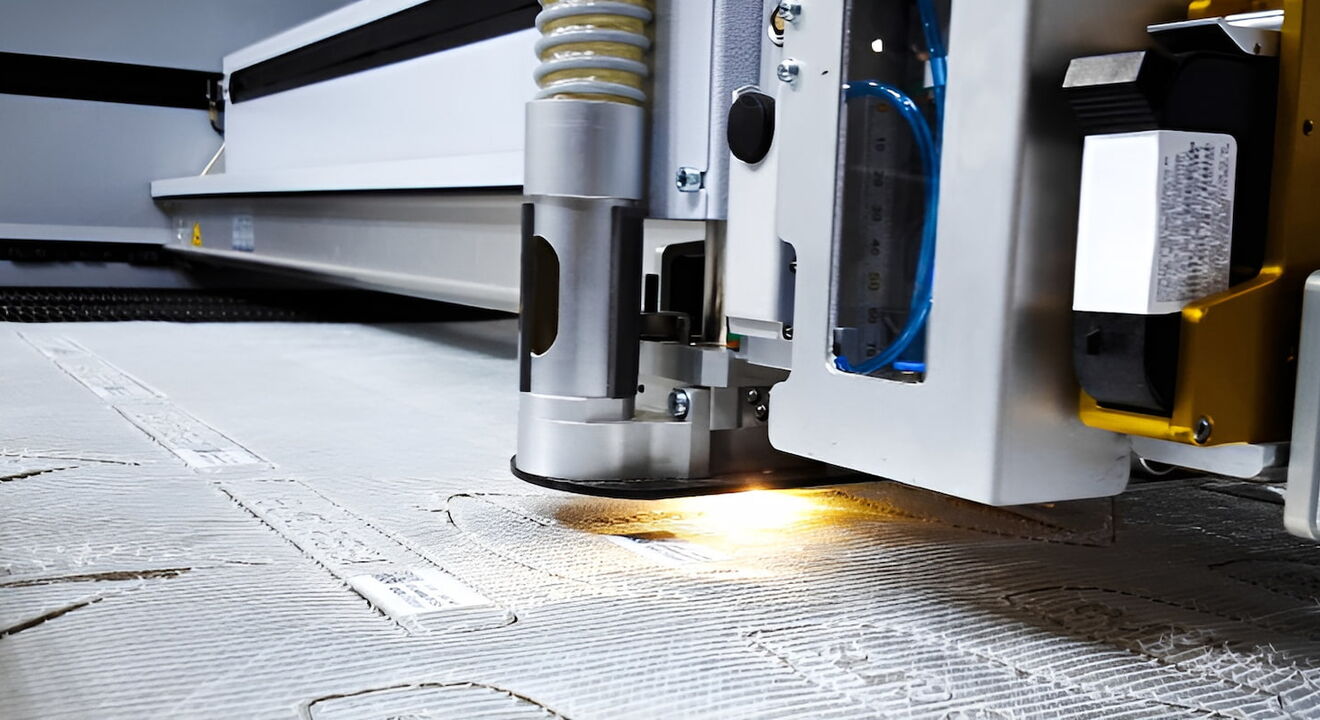
Comparison of cutting processes for material processing
Why do tool wear, rework and long setup times occur?
Tool wear, rework and long setup times are often considered unavoidable. In reality, however, these challenges are frequently caused not by the material itself, but by the cutting process used.
Contact-free CO₂ laser cutting offers a different approach. As there is no mechanical tool contact, many of the typical disadvantages associated with conventional cutting processes are eliminated from the outset. This helps reduce process costs, improve cut quality and enable new applications.
Routing vs. laser cutting
When does laser cutting offer advantages over routing?
Routing is a well-established machining process and is particularly suitable for material removal as well as the machining of metals and three-dimensional components. However, when cutting many non-metallic materials such as plastics, acrylic, wood, textiles or composite materials, contactless CO₂ laser cutting offers significant advantages.
As the laser operates without mechanical tool contact, there is no tool wear and no chips are produced. At the same time, the process delivers consistently high cut quality, virtually radius-free internal contours and a high degree of flexibility when contour changes are required. Depending on the material and application, both processes complement each other perfectly and can be combined flexibly on eurolaser laser cutting machines.
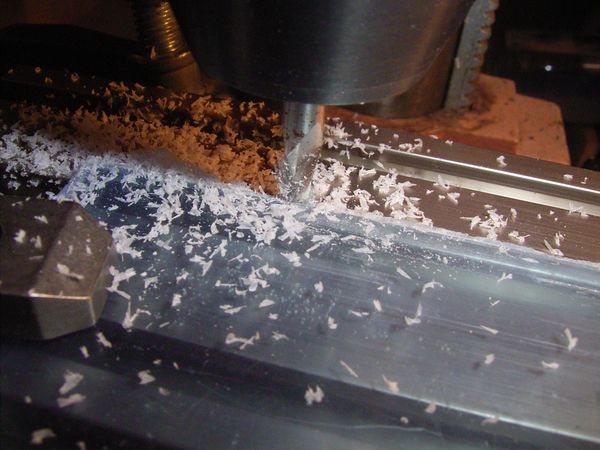
No contamination thanks to chip-free laser cutting
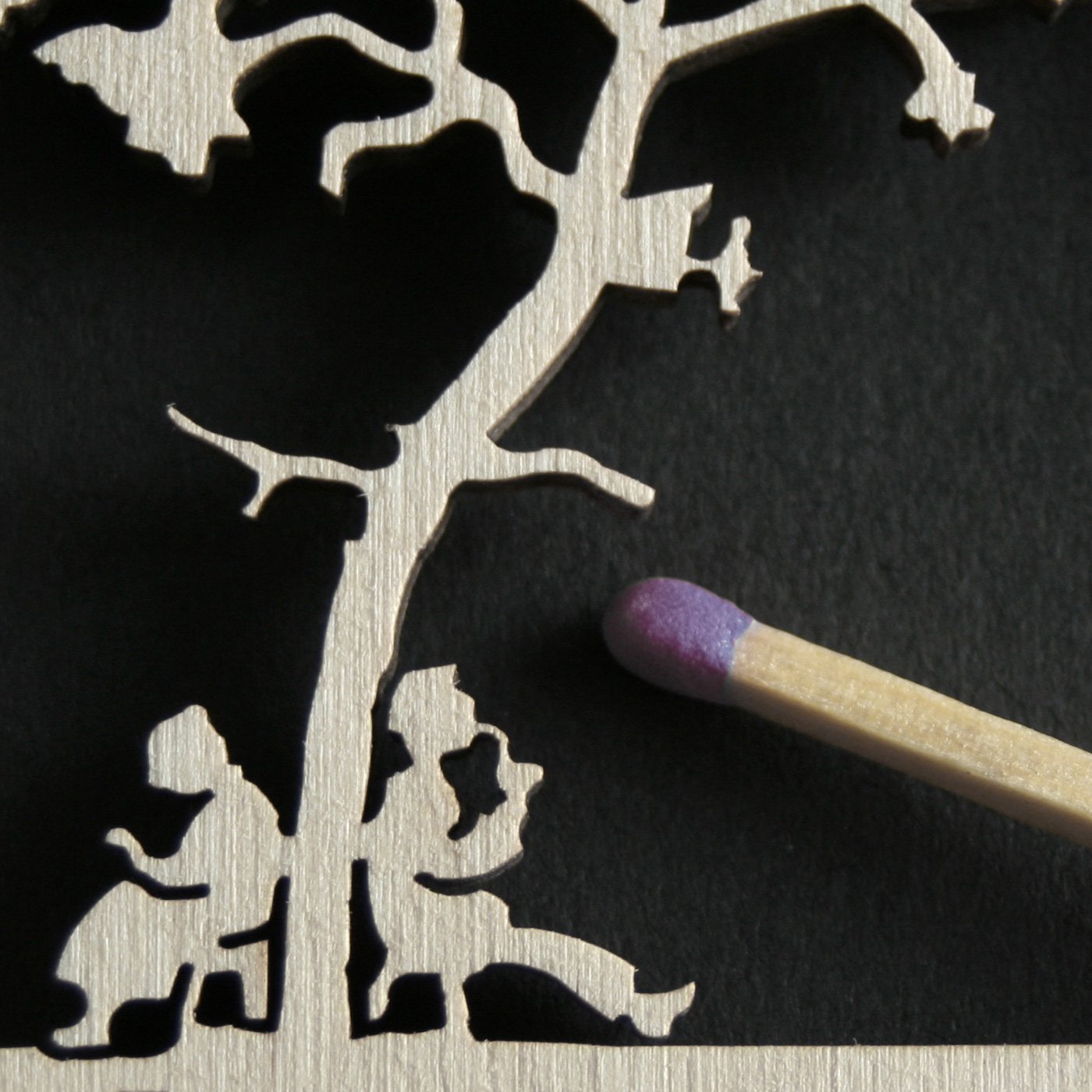
Virtually radius-free contours with laser cutting
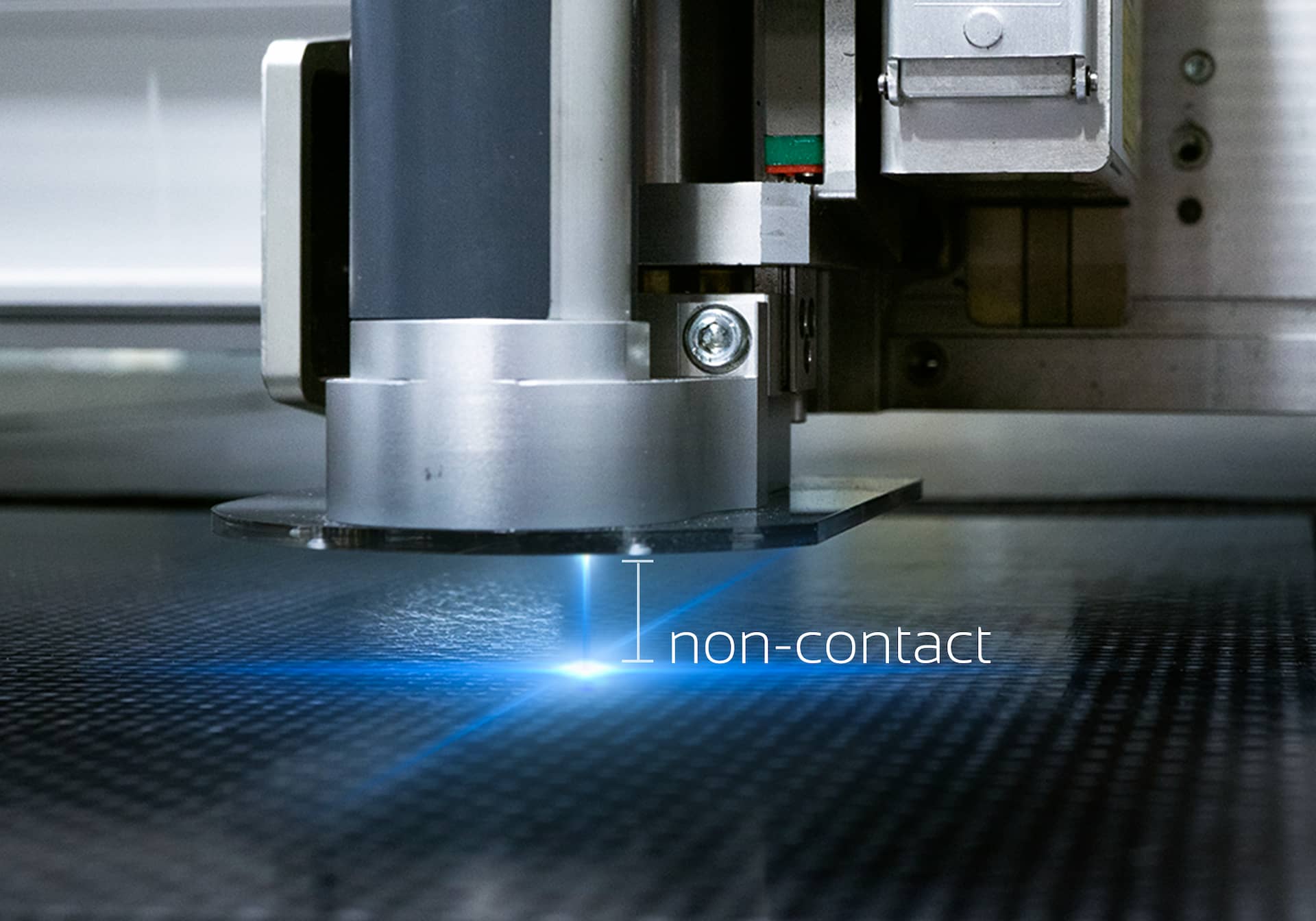
Contact-free processing with laser cutting
| Routing | CO₂ laser cutting | |
|---|---|---|
| Processing principle | Mechanical machining using a rotating cutting tool | Contactless processing using a focused CO₂ laser beam |
| Suitable materials | Particularly suitable for many solid materials, including metals, plastics, wood and composite materials | Particularly suitable for many non-metallic materials, including plastics, acrylic, wood, textiles, foams, adhesive films and composite materials |
| Typical applications | Material removal, pockets, holes, contours, 3D machining and cutting | Precision cutting, intricate contours, internal contours, engraving, marking and labelling |
| Material thickness | Suitable for thicker materials and applications involving material removal | Depending on the material, particularly suitable for sheet materials, roll materials and intricate cutting applications |
| Routing | CO₂ laser cutting | |
|---|---|---|
| Tool wear | Routing tools are subject to wear and must be replaced or resharpened regularly | No tool wear, as the process is completely contactless |
| Tool changes | Required depending on the application and cutting tool | Not required, as different contours can be cut without changing tools |
| Setup times | Tool changes and machine setup increase setup time | Contour changes are made directly in the CAD file, with no additional tooling required |
| Contour changes | Modifications often require new tools or changes to the machining strategy | Contours can be modified directly in the software and produced immediately |
| Tooling costs | Ongoing costs for routing tools and their maintenance | No tooling costs for the cutting process |
| Material waste | Depends on the material. The cutter diameter can limit intricate geometries, particularly for fine features | The narrow kerf enables material-efficient nesting and reduces material waste |
| Routing | CO₂ laser cutting | |
|---|---|---|
| Precision | High precision, depending on tool condition and machining parameters | High, repeatable precision thanks to contactless processing |
| Cut quality | Depends on tool wear and machining parameters | Consistently high cut quality without tool wear |
| Long-term cut quality | Cut quality decreases as tool wear increases | Consistently high cut quality from the first to the last part |
| Internal contours | Internal radii are limited by the cutter diameter | Virtually radius-free internal contours thanks to the fine laser beam |
| Material stress | Mechanical machining can exert pressure on the workpiece | Contactless processing without mechanical tool pressure |
| Material damage | Delicate webs or intricate contours may be subject to mechanical stress | No mechanical stress on the material, reducing the risk of damage or breakage |
| Post-processing | May be required depending on the material and application | Many materials produce clean cut edges without the need for post-processing |
| Engraving & labelling | Additional tools or processing steps required | Engraving, marking and labelling can be carried out directly with the laser |
| Routing | CO₂ laser cutting | |
|---|---|---|
| Material fixturing | Workpieces generally need to be mechanically clamped or secured | For many materials, vacuum hold-down via the vacuum table is sufficient. Additional mechanical clamping is not required. |
| Noise level | Mechanical machining generates comparatively high noise levels | Significantly lower processing noise, as no mechanical cutting process is involved |
| Chips and dust | Chips and dust are generated and must be extracted and disposed of | Chip-free processing. Fume emissions are extracted directly to the outside via the extraction system and can also be filtered if required. |
| Machine cleaning | Chips and dust require regular cleaning of the machine | Reduced cleaning requirements thanks to chip-free processing |
| Automation | Automation is possible, depending on the application and machine concept | Extensive automation and expansion options for a wide range of production requirements |
| Batch sizes | Particularly cost-effective for production runs with consistent machining tasks | High flexibility, from one-off parts and small batches through to series production |
| Production workflow | Tool changes and setup procedures affect the production workflow | Contour changes are made digitally, without tool changes or additional setup procedures |
Punching vs. laser cutting
When does laser cutting offer advantages over punching?
Punching is a cost-effective manufacturing process for high-volume production with consistent contours. However, when geometries change, new products are developed or smaller batch sizes are required, additional tooling costs and setup times are incurred.
CO₂ laser cutting offers a different approach. As the process operates without punching tools, it enables the cost-effective processing of films, adhesive tapes, textiles, plastics and many other non-metallic materials. Contour changes can be implemented directly from the CAD file, without tool manufacturing, tool changes or additional setup time. Depending on the material and application, both processes complement each other perfectly and can be combined flexibly on eurolaser laser cutting machines.
Learn more about the combination of punching and laser cutting
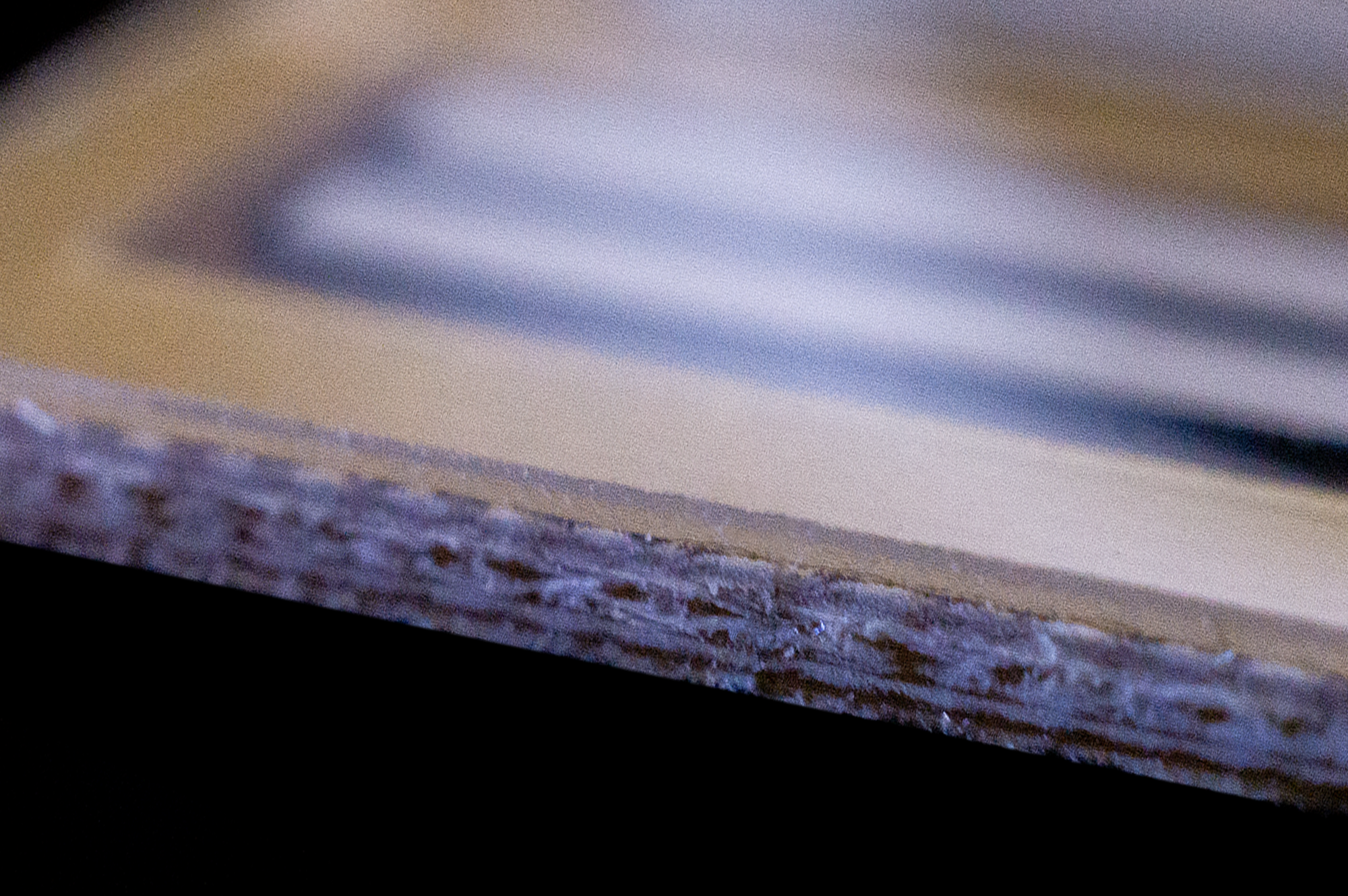
Sealed cut edges when laser cutting multilayer films
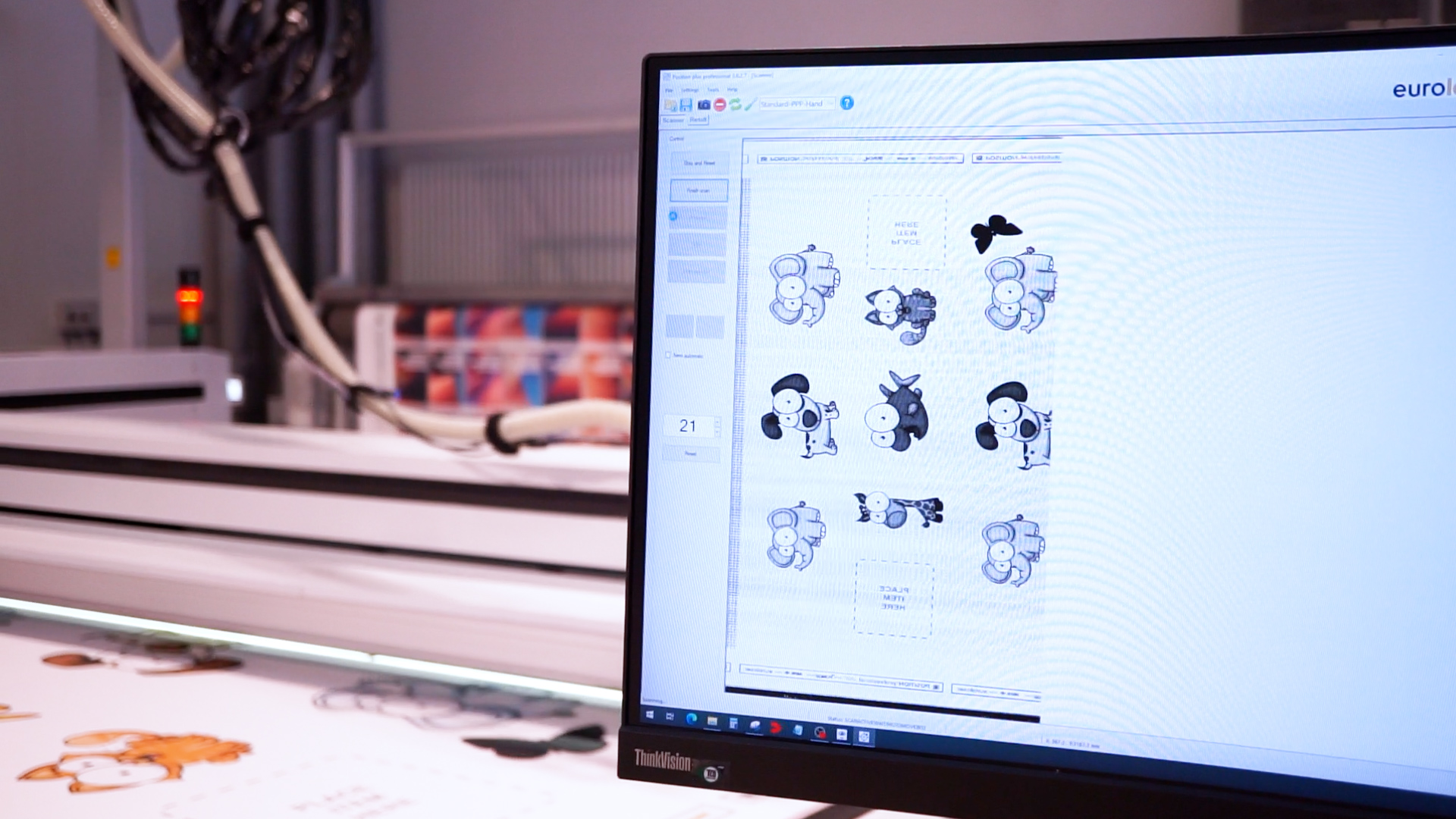
Digital contour changes without tool manufacturing
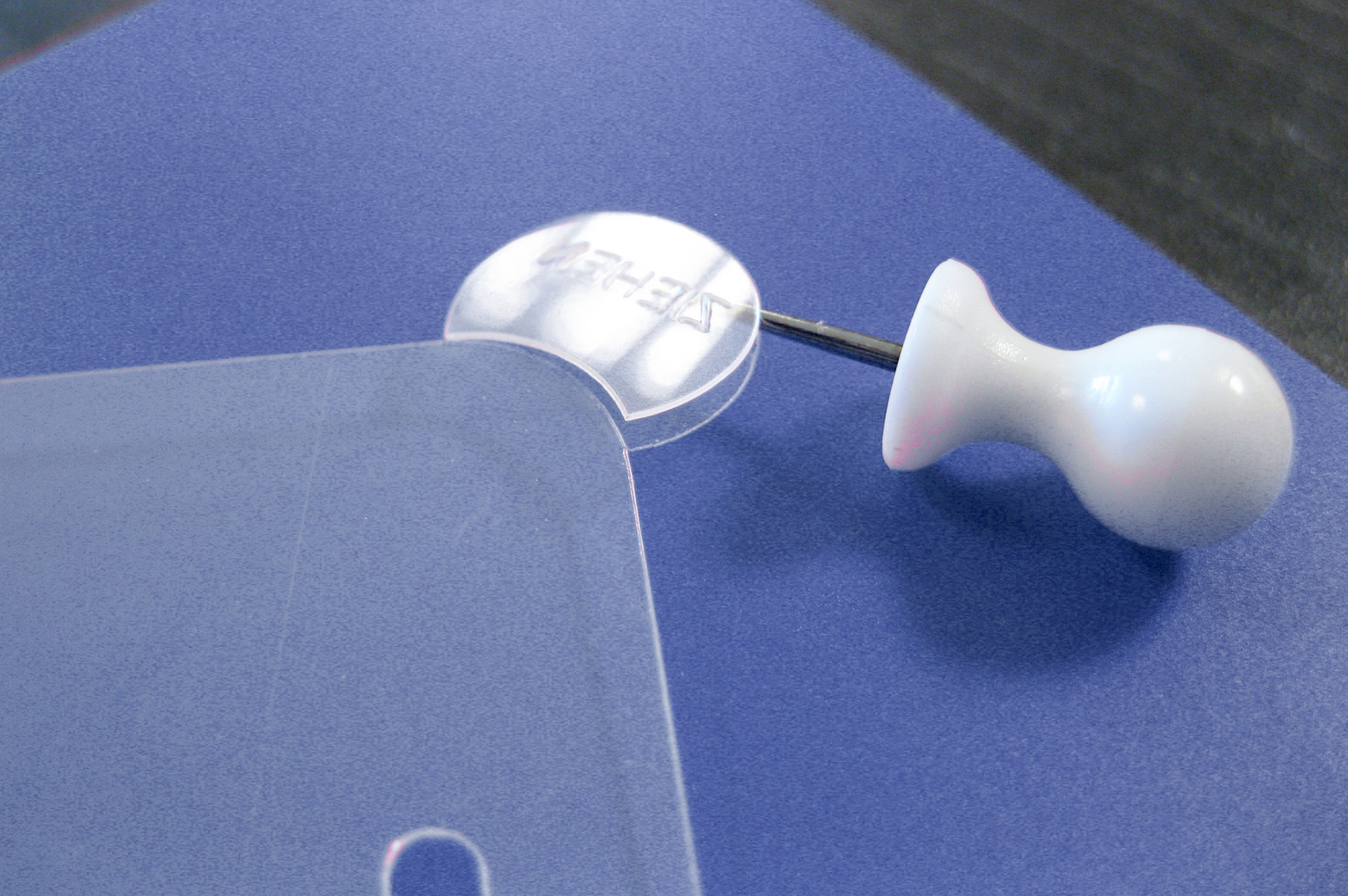
Cutting, kiss cutting and laser marking in a single process
| Punching | CO₂ laser cutting | |
|---|---|---|
| Processing principle | Cutting using a punching tool and mechanical force | Contactless processing using a focused CO₂ laser beam |
| Suitable materials | Particularly suitable for films, adhesive tapes, paper, cardboard, textiles, sealing materials and thin plastics | Particularly suitable for many non-metallic materials, including plastics, acrylic, wood, textiles, foams, adhesive films and composite materials |
| Typical applications | High-volume production with consistent contours | Prototypes, small batches, customised products and series production with changing contours |
| Material thickness | Particularly suitable for thin and flexible materials | Depending on the material, particularly suitable for flat materials, sheet materials and roll materials |
| Punching | CO₂ laser cutting | |
|---|---|---|
| Tooling costs | A dedicated punching tool is generally required for each contour | No tooling costs for the cutting process |
| Tool wear | Punching tools are subject to wear and must be resharpened or replaced regularly | No tool wear |
| Tool storage | Punching tools must be stored, managed and maintained | No tool storage required |
| Tool changes | Required when changing products or contours | Not required |
| Setup times | Tool changes and machine setup increase setup time | Contour changes are made directly from the CAD file, without additional setup time |
| Contour changes | New contours generally require a new punching tool | New contours can be produced directly from the CAD file |
| Punching | CO₂ laser cutting | |
|---|---|---|
| Precision | High precision, depending on the condition of the punching tool | High, repeatable precision thanks to contactless processing |
| Precision for intricate details | Intricate contours are limited by tool geometry and material behaviour | High precision, even for intricate contours and delicate webs |
| Cut quality | Depends on the punching tool | Consistently high cut quality without tool wear |
| Long-term cut quality | Cut quality decreases as the punching tool wears | Consistently high cut quality from the first to the last part |
| Material stress | Mechanical force is applied to the material | Contactless processing without mechanical tool pressure |
| Material damage | Delicate webs or intricate contours may be subject to mechanical stress | No mechanical stress on the material, reducing the risk of damage or breakage |
| Multilayer materials | Material layers may shift during the punching process | No layer shift in many multilayer films thanks to contactless processing |
| Cut edges | Depends on the material and punching tool | Many synthetic materials produce sealed cut edges |
| Marking & engraving | Additional processing step required | Cutting, marking and engraving in a single process |
| Punching | CO₂ laser cutting | |
|---|---|---|
| Material fixation | The material must be guided reliably throughout the process and secured depending on the application | For many materials, vacuum hold-down via the vacuum table is sufficient |
| Noise level | The mechanical punching process generates comparatively high noise levels | Significantly lower processing noise |
| Tool cleaning | With highly adhesive materials such as adhesive tapes, adhesive residue can build up on the punching tools. Regular cleaning is required | No adhesive residue on cutting tools due to the contactless process |
| Machine cleaning | Depending on the material, residues may require regular machine cleaning | Reduced cleaning requirements thanks to chip-free processing |
| Economical batch sizes | Particularly economical for high production volumes with consistent contours | Economical from prototypes through to series production |
| Production flexibility | Optimised for consistent products and high production volumes | High flexibility for product changes, contour modifications and batch sizes |
Knife cutting vs. laser cutting
When does laser cutting offer advantages over knife cutting?
Knife cutting is a well-established cutting process for flexible materials such as textiles, films, foams and sealing materials. It is particularly suitable for multilayer material constructions and applications where the material must not be affected by heat.
By contrast, CO₂ laser cutting offers significant advantages whenever the highest levels of precision, fray-free cut edges, intricate contours or additional processing steps such as kiss cutting, engraving or labelling are required. Depending on the material and application, both processes complement each other perfectly and can be combined flexibly on eurolaser laser cutting machines.
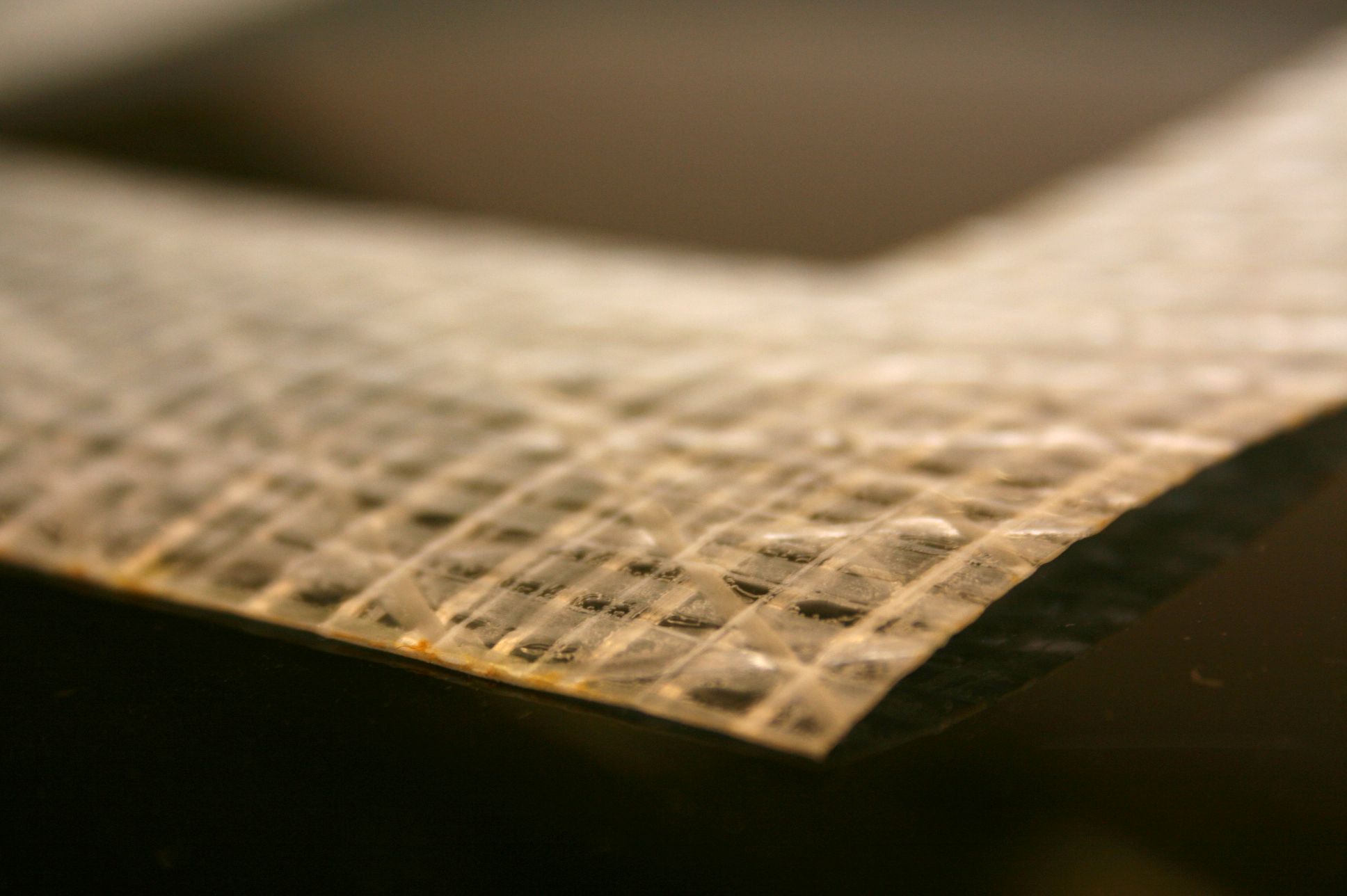
Fray-free, smooth cut edges
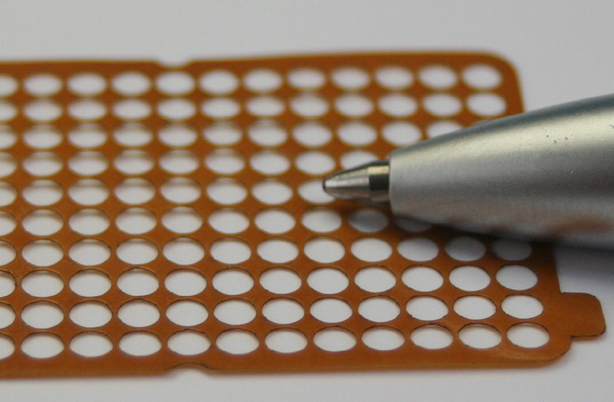
Intricate details without overcuts
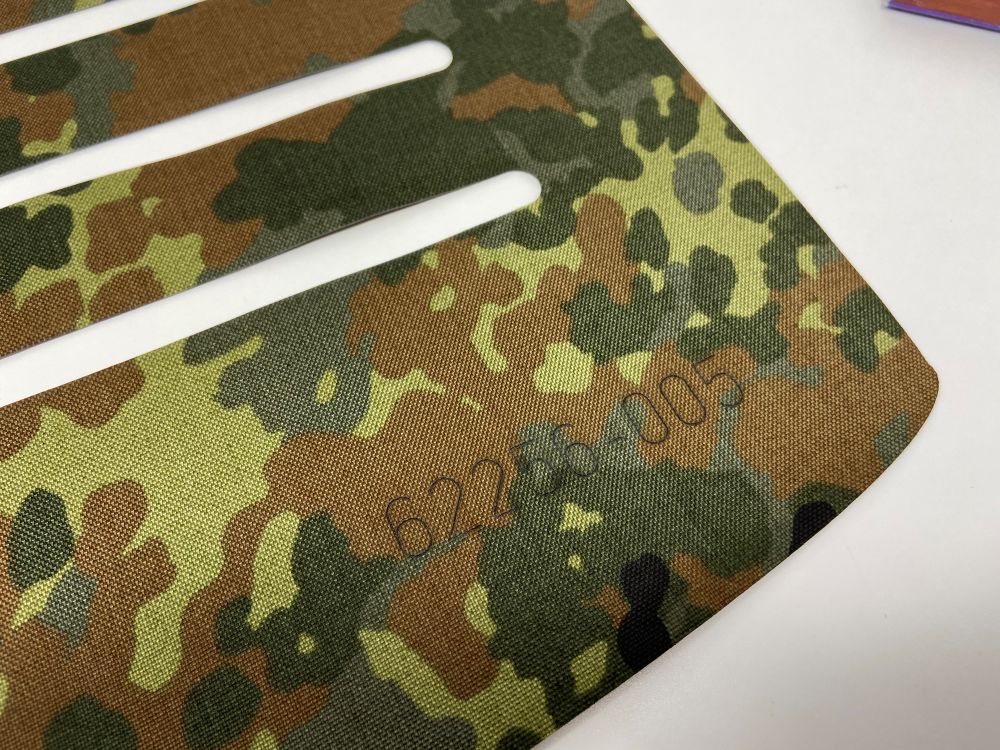
Permanent laser engraving during cutting
| Knife cutting | CO₂ laser cutting | |
|---|---|---|
| Processing principle | Mechanical cutting process using different knife systems, depending on the material and application | Contactless cutting process using a focused CO₂ laser beam |
| Suitable materials | Particularly suitable for materials that can be cut mechanically, such as natural fibres, PVC, leather, films, foams and textiles | Particularly suitable for many non-metallic materials, including synthetic textiles, plastics, acrylic, wood, adhesive films and composite materials |
| Typical applications | Flexible materials, heat-sensitive applications, and materials that cannot or should not be processed with a laser | Applications requiring high cut quality, intricate contours, cut and seal, engraving or labelling |
| Cut edges on synthetic textiles | Depending on the material, cut edges remain open | Cutting and edge sealing in a single process, for example on polyester textiles |
| Knife cutting | CO₂ laser cutting | |
|---|---|---|
| Tool wear | Knife blades are subject to material-dependent wear and must be replaced regularly | No tool wear |
| Tool changes | Different knife systems are required depending on the material and application | Not required. Different contours can be cut without changing tools |
| Tooling costs | Ongoing costs for knife blades and their replacement | No tooling costs for the cutting process |
| Tool cleaning | Highly adhesive materials, such as adhesive tapes, can leave adhesive residues on the blades. Regular cleaning is required. | No adhesive residues on cutting tools, as the process is contactless |
| Contour changes | Possible without new tools, but material- and tool-dependent adjustments are often required | New contours can be produced directly from the CAD file |
| Knife cutting | CO₂ laser cutting | |
|---|---|---|
| Precision | High precision, depending on the material, knife geometry and tool condition | High, repeatable precision thanks to contactless processing |
| Intricate contours | Intricate details depend on the material and tool geometry. Changes in cutting direction may result in overcuts | Intricate contours without tool-related overcuts thanks to the fine laser beam |
| Long-term cut quality | Cut quality decreases as the knife blade wears | Consistently high cut quality without tool wear |
| Cut edges on synthetic textiles | Cut edges remain open and may fray, depending on the material | Fray-free, sealed cut edges (Cut & Seal) |
| Marking & engraving | Additional processing step required on a separate system | Cutting, marking and engraving in a single process |
| Knife cutting | CO₂ laser cutting | |
|---|---|---|
| Material fixturing | Depending on the material and application, mechanical fixturing or material guidance may be required | For many materials, vacuum hold-down via the vacuum table is sufficient |
| Tool cleaning | Highly adhesive materials, such as adhesive tapes, can leave adhesive residues on the knife blades. Regular cleaning is required. | No adhesive residues on cutting tools, as the process is contactless |
| Material residues | Depending on the material, fibres, dust or cutting residues may be generated | Chip-free processing with minimal cleaning requirements |
| Production flexibility | Different materials or applications may require different knife systems | Different contours and products can be produced directly from the CAD file without tool changes |
| Economical batch sizes | Cost-effective from one-off parts through to series production | Cost-effective from one-off parts through to series production |
Waterjet cutting vs. laser cutting
When does laser cutting offer advantages over waterjet cutting?
Waterjet cutting and laser cutting are among the most precise industrial cutting processes and are used for many similar applications. Both technologies enable complex contours and high-quality cutting results, but they differ significantly in terms of the range of suitable materials, material thicknesses and the cutting process itself. Which technology is the more cost-effective solution depends largely on the material, its thickness and the requirements of the specific application.
Note: Laser cutting includes a range of different laser technologies and is also suitable for processing metals. However, eurolaser develops CO₂ laser cutting machines specifically for processing non-metallic materials. As there is only limited overlap with typical eurolaser applications, the following comparison is intended primarily as a general overview of the two cutting processes.
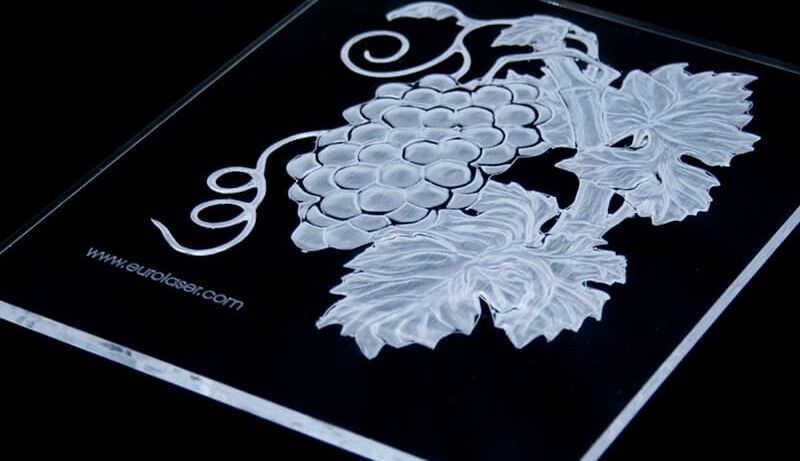
Laser cutting and engraving combined
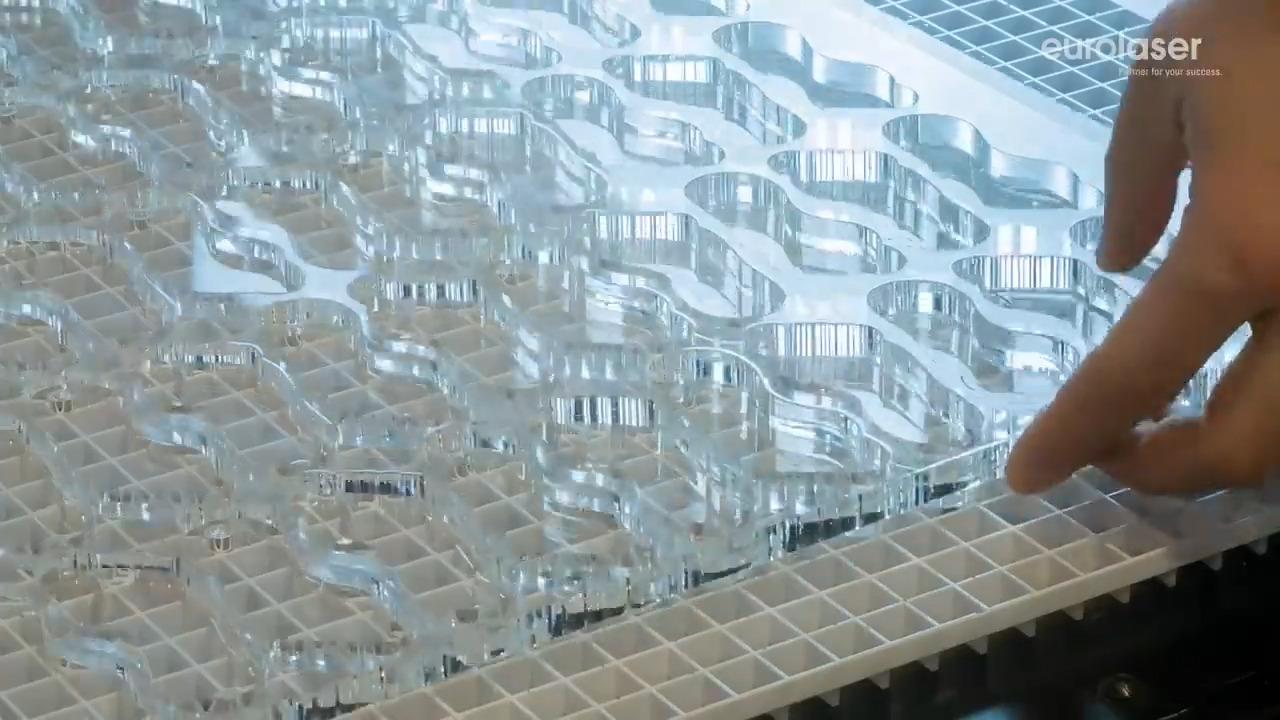
Immediate handling and further processing without drying
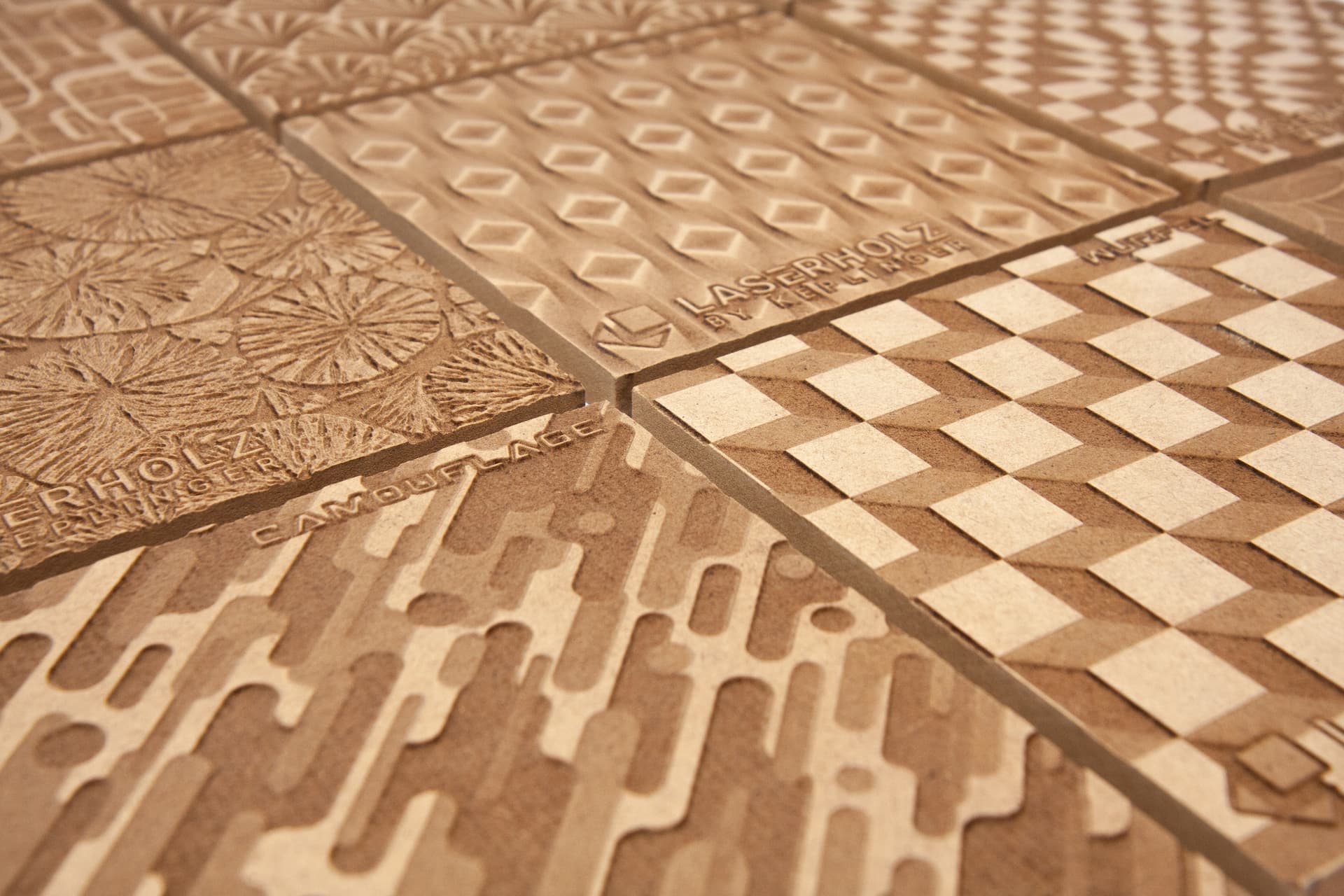
Ideal for plastics, wood and textiles
| Waterjet cutting | CO₂ laser cutting | |
|---|---|---|
| Processing principle | Cutting with a high-pressure water jet, usually with the addition of an abrasive | Cutting with a focused laser beam |
| Material range | Suitable for almost all materials, including metals, glass, stone, ceramics, plastics and composite materials | Depending on the laser technology, suitable for a wide range of metallic and non-metallic materials. eurolaser specialises in CO₂ laser cutting machines for non-metallic materials. |
| Typical applications | Cutting sheet metal, natural stone, glass, ceramics, and thick or difficult-to-machine materials | Cutting plastics, acrylic, wood, textiles, foams, films and composite materials, as well as engraving and labelling |
| Waterjet cutting | CO₂ laser cutting | |
|---|---|---|
| Consumables | Water and – for most applications – abrasive media are required | No water or abrasive media required for the cutting process |
| Downstream processing | Depending on the material, workpieces must be dried and abrasive residues removed | Workpieces can usually be used immediately for further processing |
| Additional processing options | None | Cutting, engraving and labelling can be combined on a single machine |
| Waterjet cutting | CO₂ laser cutting | |
|---|---|---|
| Material fixturing | Required depending on the material and application | For many materials, vacuum hold-down via the vacuum table is sufficient |
| Material residues | Abrasive media and water can leave residues on the workpiece and machine | Chip-free processing with minimal cleaning requirements |
| Working environment | Water and abrasive media require a suitably designed machine and working environment | Clean, dry processing without water or abrasive media |
| Production integration | Additional processing steps are generally carried out on separate systems | Cutting, engraving and labelling can be combined in a single process |
More information
Arrange a virtual machine demonstration
with live laser cutting
Registration
- No travel expenses
- Location-independent
- Connect team members
- Cutting results immediately visible
- Watch live how the laser works